
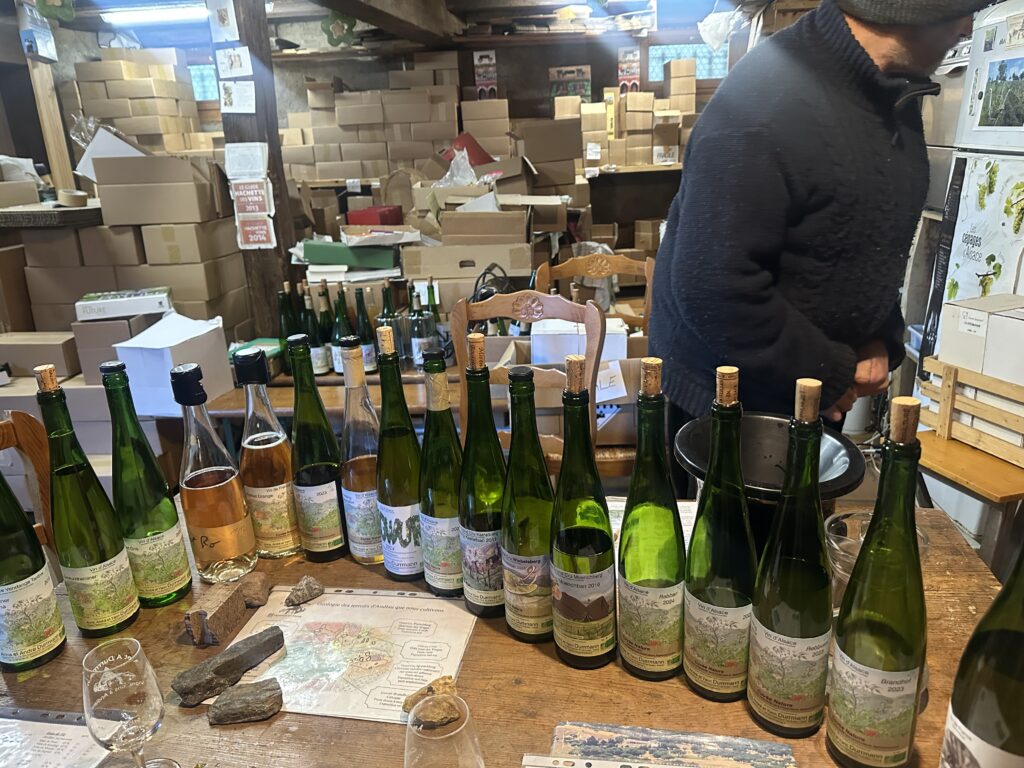
It’s freezing cold. We’re standing in front of a beautiful house in Andlau, a tiny town in Alsace, France. I’m 70% sure the house is still occupied. The old fliers next to the door say “Domaine Yann Durrmann”, so I know we got the address right. Yann’s father, Andre, eventually greets us at the door. He invites us in as he guides us into his garage/storage area. We walk inside, but the temperature doesn’t change, only ~5 degrees warmer at best. He says he doesn’t use gas heaters anymore, because he doesn’t want the gas he buys from Russia to help finance the war in Ukraine.
We sit there for almost three hours, with our jackets and scarves on, as we taste over 15 of the Domaine’s cuvees. He shares his life story of running away from his village during the war, coming back to re-inherit his father’s farmland, his son Yann’s legacy, the warming climate, and so much more.
We end up buying over eight cuvees for a hundred euros at most. We look for Ubers, but since we couldn’t find any, he very generously drives us to the station in his light blue Nissan Leaf. He says he’s used the same car for 15 years to deliver his wines to the many stores and restaurants in Paris.
The domaine is his identity, his craft, and legacy. The wines are “natural” — no machines, no pesticides, spontaneous fermentation with little to no added sulfur. He farms biodynamically, spending most of his days in the vineyard, living in harmony with the land. It’s captivating, rich with lore, and of course incredibly delicious.
It wasn’t until ~2020 when I heard about natural wine. Like “organic food”, “natural” means lots of different things and its strange pretentiousness has been memeified and misunderstood. I think it’s fascinating, and you should think so too. Most of the wine we drink today probably isn’t “wine” in the way that you think.
This piece describes why you should care about and drink natural wine too.
We’ve Pepsi-fied wine
Wine is made from grapes, right? Sort of…
We all probably have an image of winemaking. You plant the vines, water them, harvest the grapes, stomp them with your feet, put it in a barrel to ferment, and bottle to drink. Simple. But most of the wine you buy from grocery stores and even liquor stores today are not made that way. It’s truly industrialized, and is more manufacturing than it is anything else.
Most wine we buy and drink today is like mass-manufactured Pepsi—a predictable, consistent taste that you know how to go back to. There are recipes to make homemade Pepsi too, and it’s good, but it just doesn’t hit the same. Most wine we drink today is the manufactured, industrialized taste. Of course, that isn’t inherently a bad thing, but the list of additives for manufacturing might surprise you:
- Mega Purple (a grape-derived color/sugar concentrate)
- Tannin powder, oak chips/staves (fake the structure and oak character of barrel aging)
- Tartaric acid (correcting acidity)
- Grape concentrate / chaptalization (RCGM) (bump up sugar and alcohol %)
- Yeasts, enzymes, fining agents (bentonite, isinglass, casein, gelatin), and sterilants to stabilize the wine before bottling.
The conventional wine industry allows more than 60 additives and processing aids, which eventually makes you wonder how much of your wine is grape vs a careful chemical cocktail of manufactured flavors.
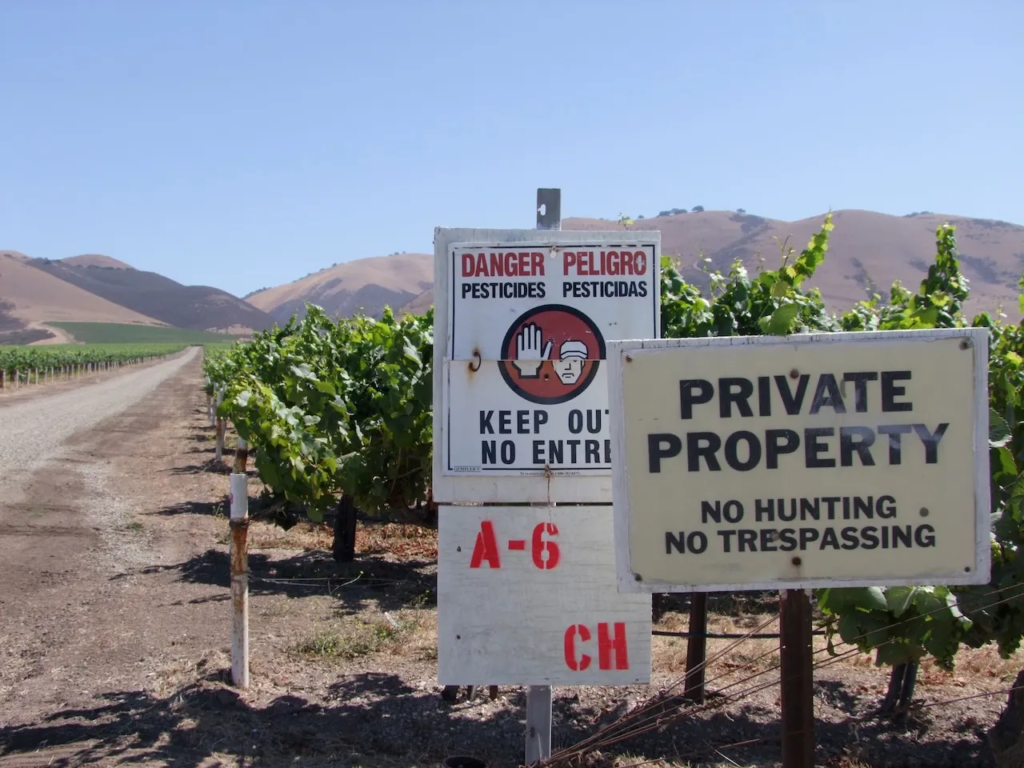
Wine grapes are also the most pesticide-intensive major crop per hectare in temperate agriculture. Most of these are fungicides to prevent mildew. In France, vineyards are 3.7% of agricultural land but consume ~20% of national pesticide volume. Across Portugal, France, Italy and Spain, vineyards account for >30% of all pesticides sold. Even if we can’t see or taste pesticides in our daily lives, we can intuitively understand it’s a disproportionally large amount of chemicals for a small plot of land.
These pesticides, besides going into your body eventually, also ruin the soil underneath and the biodiversity all around the vines. Hills with vineyards as far as the eye can see are indeed beautiful, but when you think about it, it definitionally has no biodiversity. The vines are literally genetic clones, and all other plants are removed or chemically sequestered so they can grow. Eventually, that damage adds up.
I’m not saying you need to care about the environment and soils over 2,000 miles away from you, and I’m not saying you can’t enjoy your Barefoot/Chicken wine during pre-games. But I do think a lot of us are increasingly careful of what we put in our bodies. Whether you can see it or not, the pesticides sprayed onto the grapes, the chemicals spiked in to balance the flavors, and the sulfur injected during bottling, do add up in the glass.
Natural wine is really just “artisanal wine”
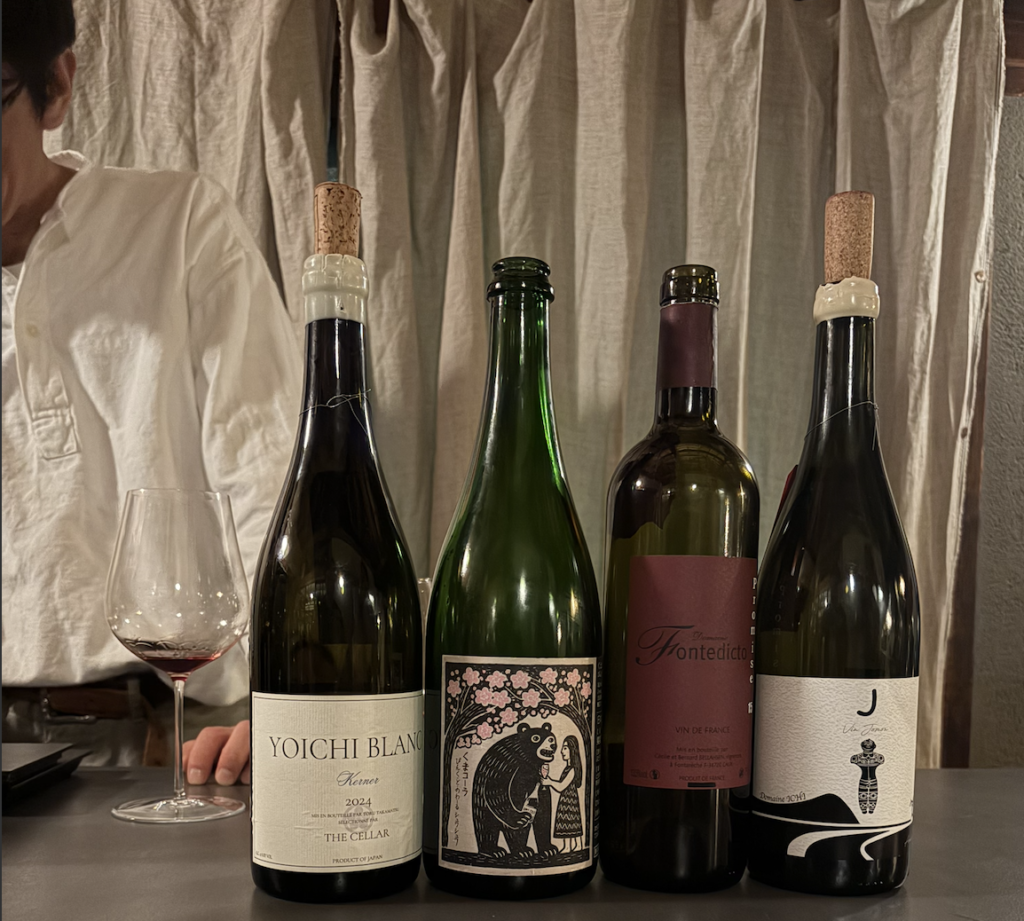
(CoiCoi bar, Tokyo)
Natural wine itself isn’t really new. It really was just the original method people used to make wine centuries ago, before pesticides, chemical fertilizers, mechanical grape picking, controlled fermentation, additives (sugar, enzymes, etc.), filters, and all the modern luxuries.
The term “natural wine” likely gained such cultural momentum because it was a sort of anti-industrialist resistance against the “McDonaldization of everything”. With it, there have been lots of new and young winemakers identifying with the low-intervention philosophy, selling to similarly young audiences often through provocative labels, low tannins, and ABV. The wines themselves are quite young too, with even the reds being so light they’re nearly pink, with the transparent bottles just screaming “drink me now”.
Because of this influx, many of us have a skewed perspective on what natural wine really is. But in reality, the overlap between high quality “artisanal” wine and natural wine is quite large. This is mostly because they’re made by winemakers who’ve spent decades to generations making wine and living off the land, who eventually realized going back to the OG biodynamic practices produces the best outcome for the grape, land, animals, and farm.
But within all of this, the most captivating and motivating thing about natural wine are the stories, pedigrees, and legends.
Natural wines are filled with stories, pedigrees, and legends
I recently went back to the Alsace region in France to visit a few winemakers, both early pioneer “grand masters” as well as the new kids on the block.
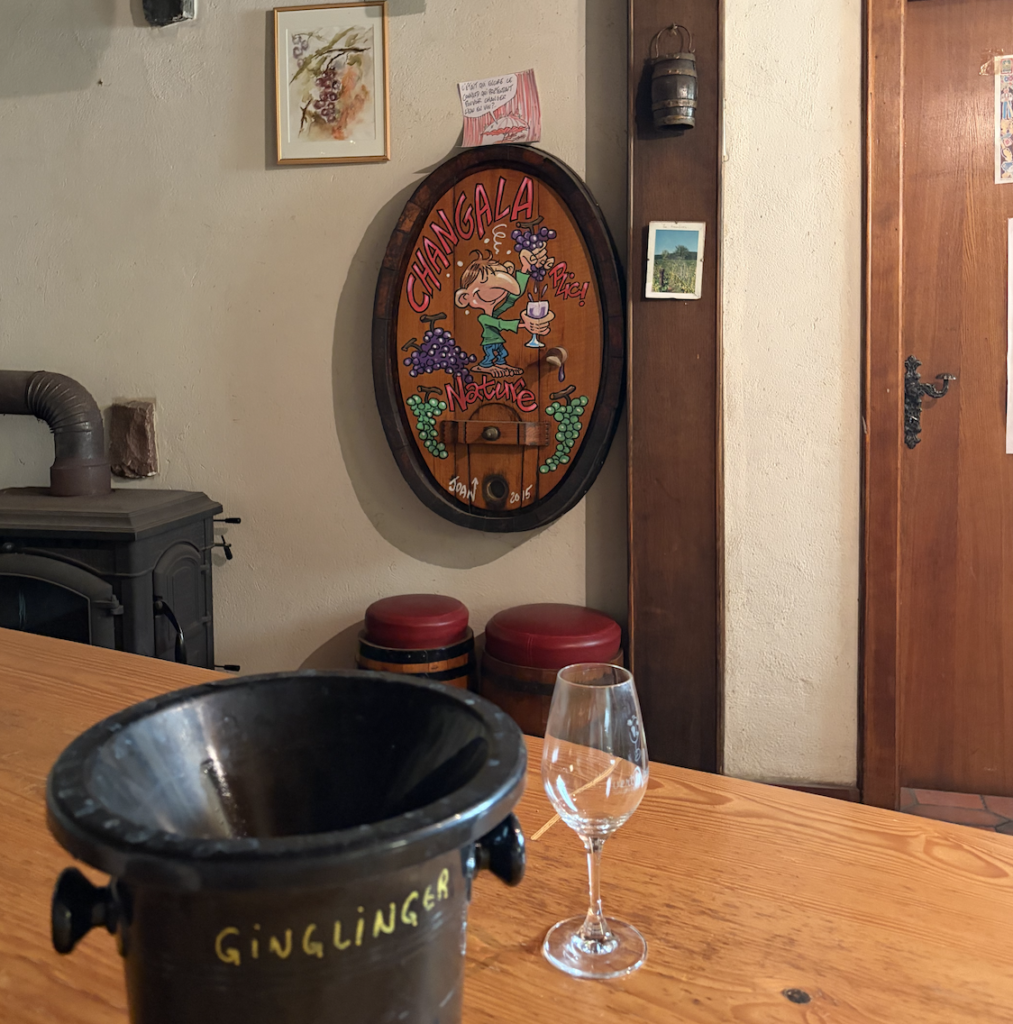
Jean Ginglinger is a fourth-generation winemaker whose family has been growing grapes since 1610, one of the oldest families in the region. Jean took over the domaine from his father in 1999, the same year they received organic certification. Biodynamic practices had already begun a few years earlier, guided by his uncle and Alsatian legend Gérard Schueller.
Jean welcomed us straight from the vineyard, his hands were thick and strong, and looked almost permanently stained from the countless years on the farm. He was about to turn 60, and despite saying he was busy over email, he drank with us for over 1.5 hours and let us taste more than ten cuvees, some of which he just bottled two weeks ago.
None of the bottles had a label. He brings them out from the back one at a time as he hand-draws the names with a pen. The wines are not just delicious, but they feel alive, still fizzing from the fermentation and actively evolving in the bottle.
He drinks multiple glasses with us at 10am as we use spittoons, telling us how he grew up tasting interesting wines with Gerard during family dinners. He tells us stories of visiting San Francisco for Brumaire and long dinner parties with Kosuke Tada of Mijote at the domaine every time he visits.

Laurent Bannwarth is another pioneer in natural winemaking, famous for their complex skin-contact wines in Georgian qvevri. They have been certified biodynamic since 2004, and converted to natural and mostly sans soufreproduction around 2011. They’re another “grand master” of natural wines, but they’re also known for providing high-quality grapes to legendary producers around the world.
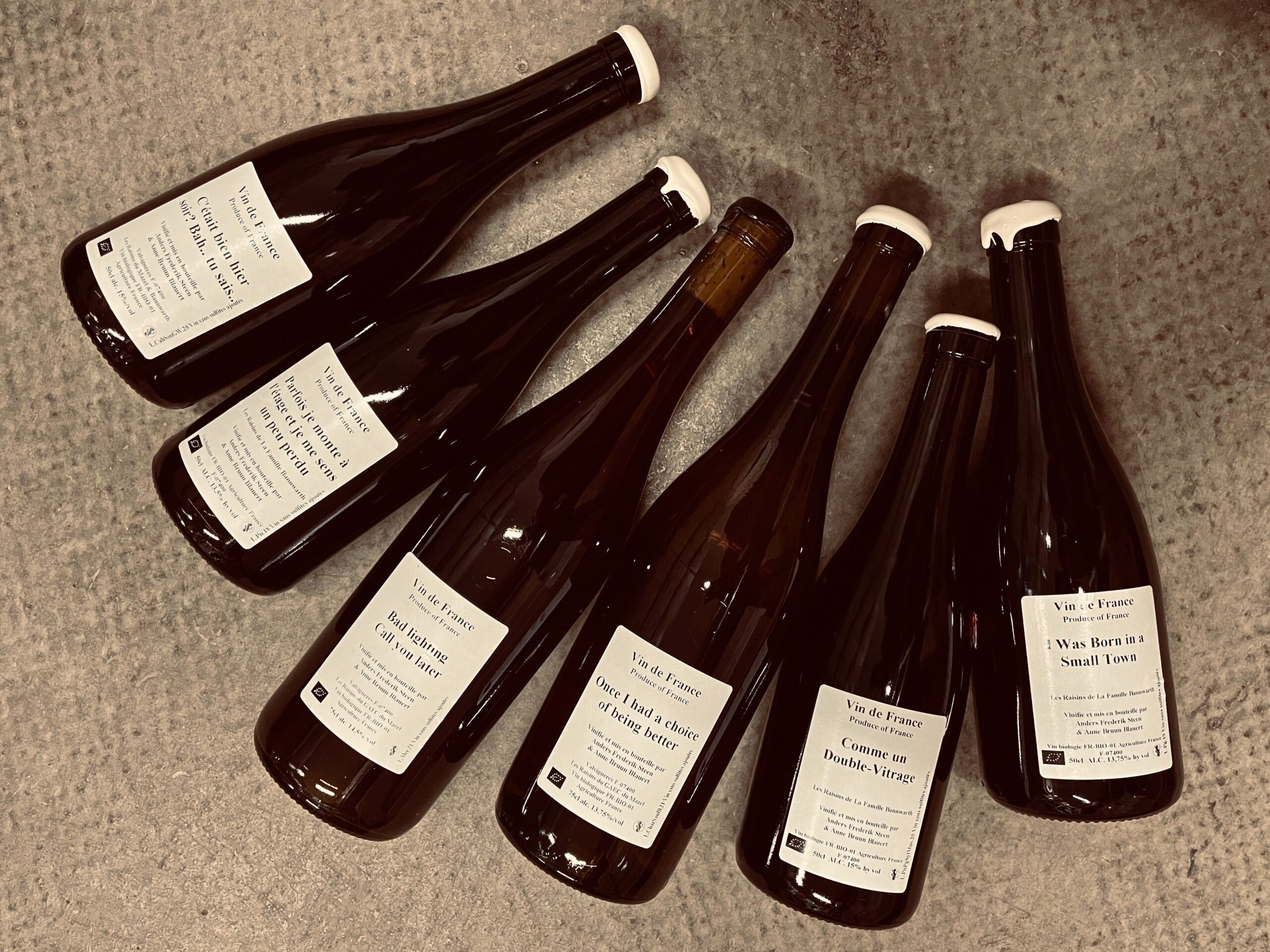
One of them is Anders Frederik Steen, a now legendary producer who started as a sommelier at the now famous Noma in Copenhagen between 2007-2009. After leaving, Anders worked with Jean’s cousin, Gérard Schueller, as he established himself as a cult winemaker with his low-intervention style and provocative labels. At natural wine bars/restaurants you’ll find Anders’ distinctive labels on the topmost shelves at the most ridiculous prices.
But the Bannwarths were also connected with another legendary winemaker from the Jura: Jean-Marc Brignot.
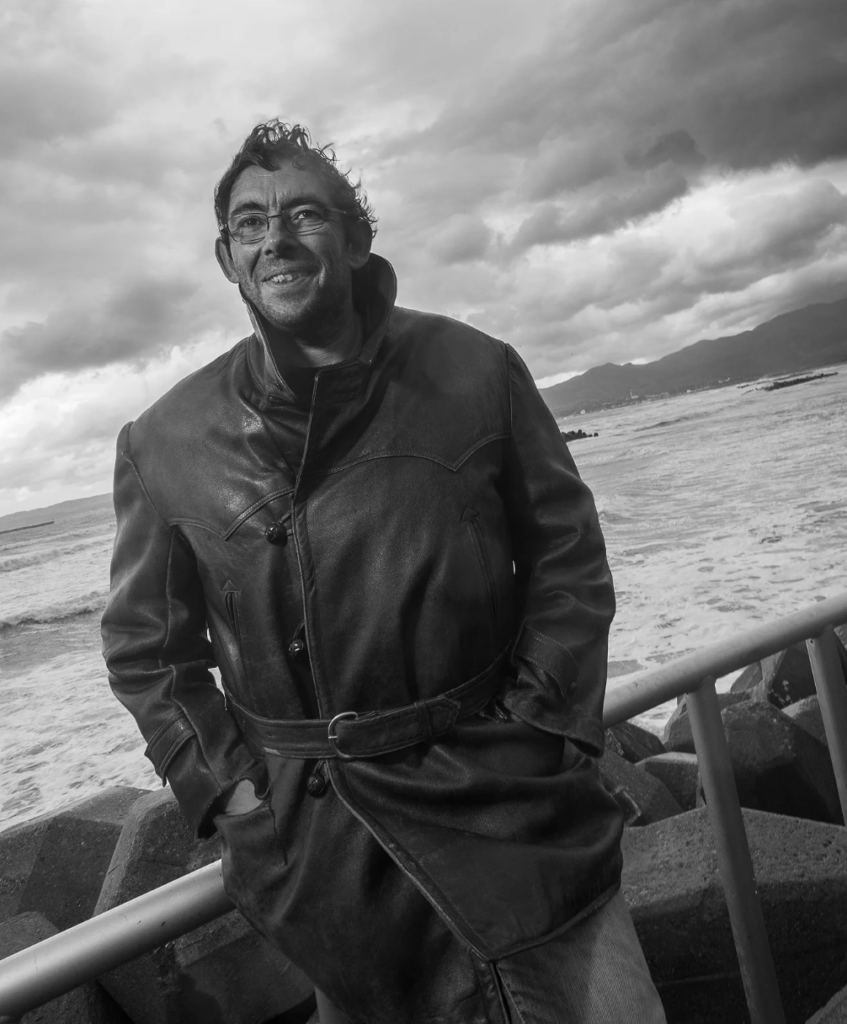
Jean-Marc very quickly captivated the wine world with his cuvees in the late 2000s, but lost his vineyard by ~2010 due to challenging vintages and not being a very diligent farmer. He realized he was a better winemaker than a farmer, so he decided to become a negociant, a travelling winemaker who produces wine with grapes purchased from other farmers. This was when he met the Bannwarths, who were known to always have more grapes than they need.
As the Bannwarths tell us, Jean-Marc visited the vineyard to produce just one barrel’s worth of wine with them. He took the grapes, crushed them, and put them in the barrel to ferment with nothing else added. He then left for around eight months.
During that time, the barrel sat outside through the fall and winter, exposed to the elements, untouched. Understandably, the Bannwarths thought he was going to end up with a large barrel of vinegar.
One day, Jean-Marc came back. It was time to taste. The Bannwarths were terrified, but to their surprise, it was one of the most elegant and structured cuvees they’ve ever had. Jean-Marc was undoubtedly a master in winemaking, but this style wouldn’t work if the quality of the grapes themselves weren’t excellent.
This experience gave the Bannwarths more confidence in their grapes and their ability to produce low-intervention, natural, sulfur-free wine. Since then, Laurent Bannwarth has become one of the Alsatian legends of natural winemaking.
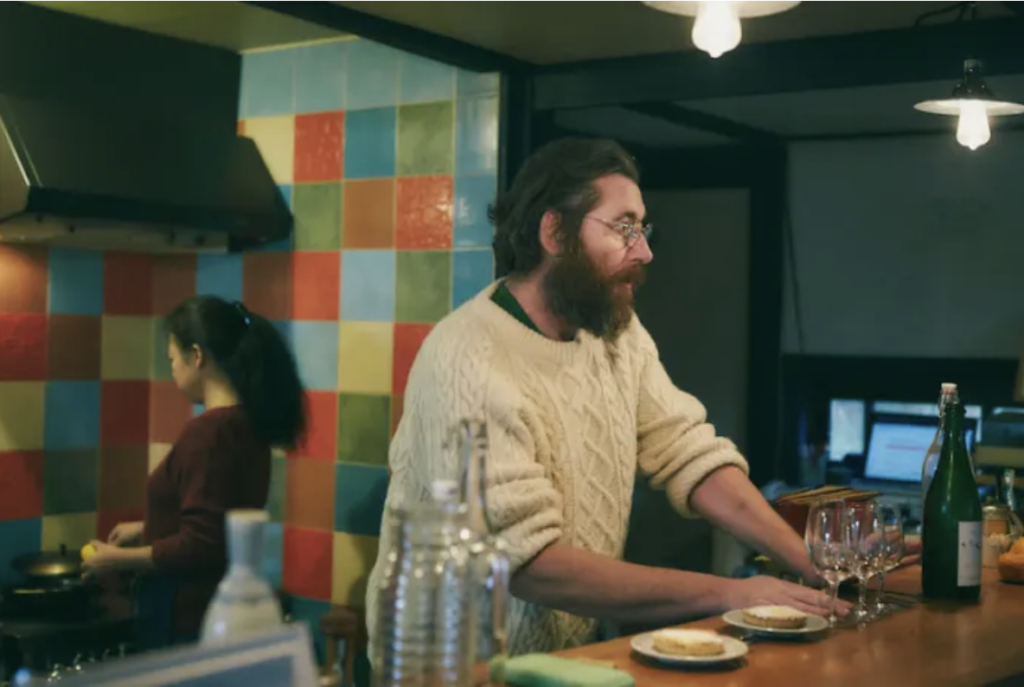
Today, Jean-Marc continues to live on as a legendary negociant in Japan. After marrying a Japanese woman, they moved to an island outside of Tokyo called Sado, where they run a small bistro together, serving Jean-Marc’s favorite wines from around the world along with his own wines.
In Japan, he now makes just one cuvee: Kuma Cola, a cult favorite amongst Japanese natural wine drinkers.
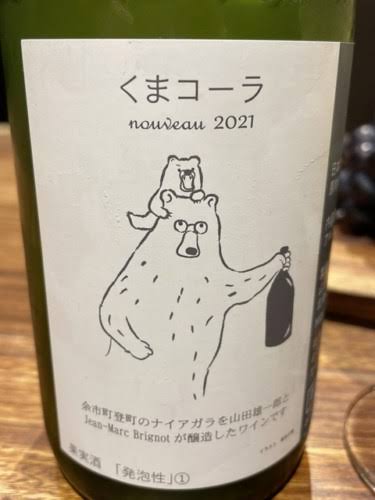
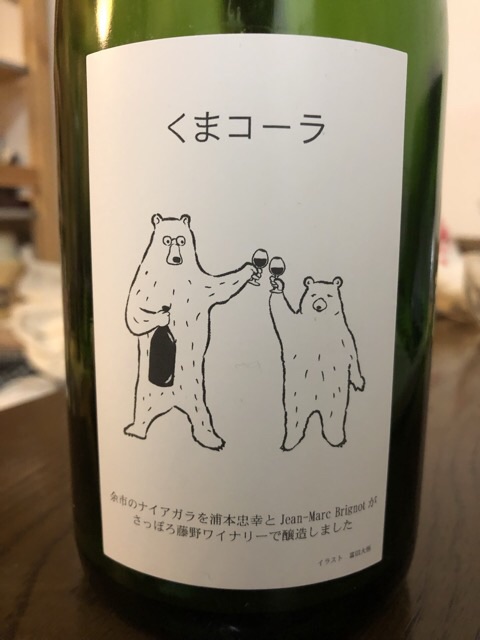
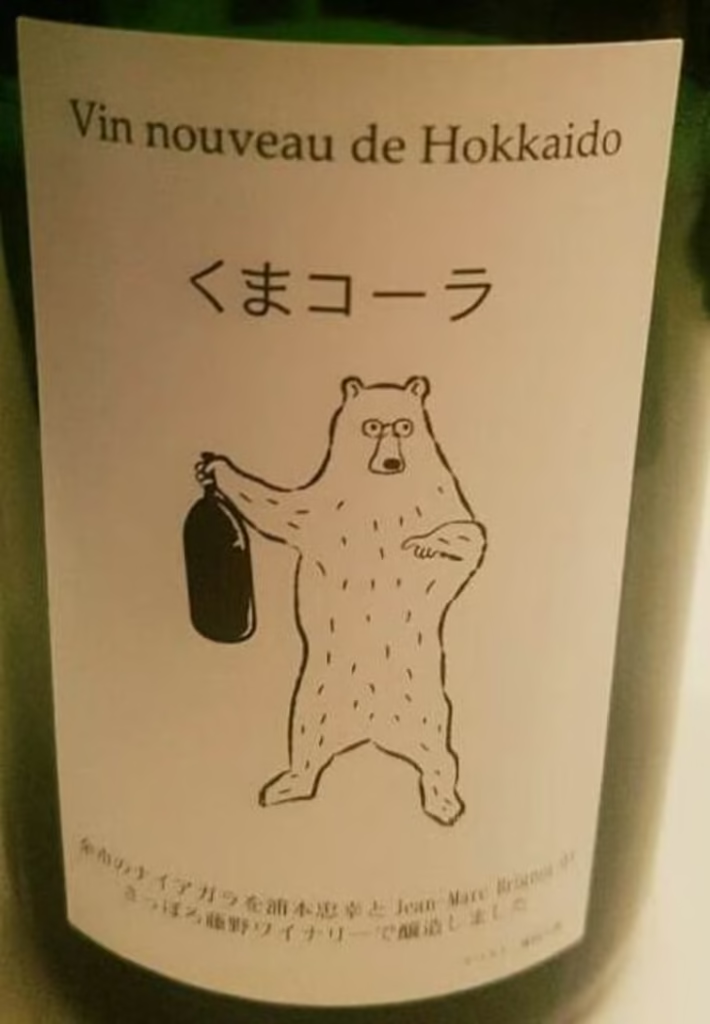
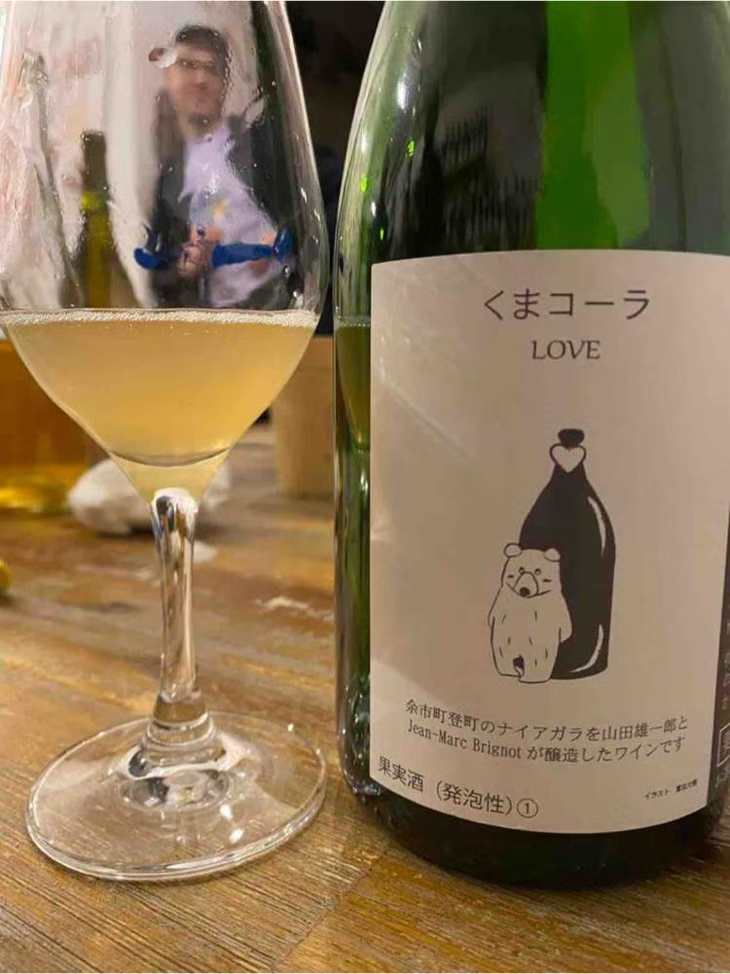
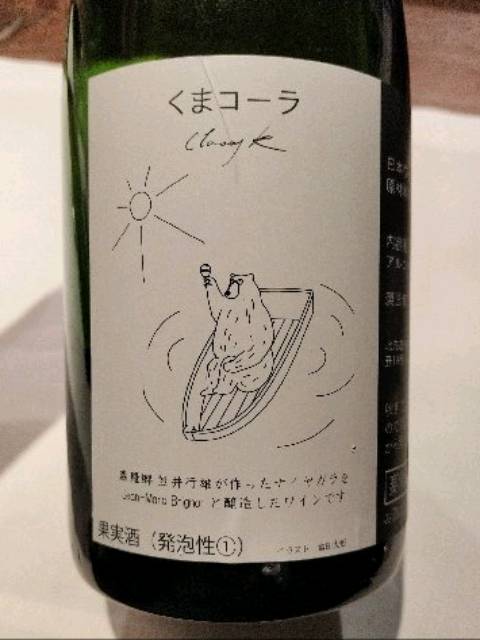
Though it’s impossible to find, it’s quite affordable at only ~$30, and at ~11% it goes down like juice. It’s a Pet-Nat style, with the light bubbles from the in-bottle carbonation giving it a Cola-like mouthfeel. “Kuma” is Japanese for “bear”, which is what Jean-Marc, a 6+ foot-tall Frenchman, looks like to Japanese people.
Drinking natural wine feels like you’re part of the story
Flavors and smells evoke memories of our past. Every time I drink Yann Durrmann’s wines, I think about sitting in that cold storage room with my father as he listened to his story of perseverance and singular conviction. Every time I find a bottle of Kuma Cola in a wine cave in Tokyo, I can feel Jean-Marc’s master artisanship that went into creating consistently beautiful, complex wine from wildly different grapes from different lands.
I feel like I’m part of a larger story and culture, connected with everyone else drinking the same cuvees and vintages, as we all look for the next star to be born out of a lineage of master winemakers.
It’s never been easier to be a part of this story—almost every major city has a few natural wine shops and the online stores have become surprisingly good too. Next time you want to drink some wine at home but try something different, try finding a natural wine store. You might find something new to love.